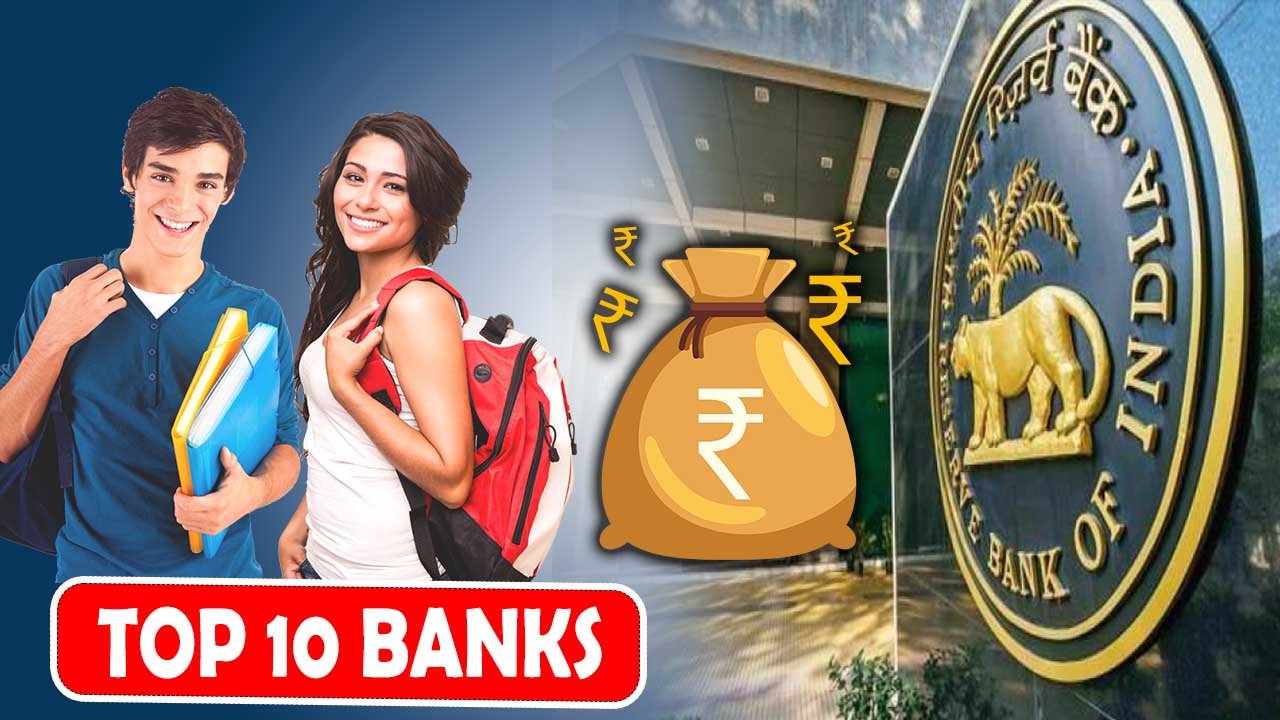
Pursuing education opens doors to opportunities, but financing it can feel overwhelming. Many turn to educational loans, but understanding interest rates is key. Whether it’s federal or private loans, or refinancing, knowing how interest rates work helps you make smarter financial choices.
Federal Student Loans: Fixed Rates for Stability
Federal loans are popular for their protections and flexible repayment. They usually offer fixed rates, meaning your rate stays the same throughout. This stability helps you plan your payments without worrying about rate changes.
With federal loans, you know what you’ll pay each month, making budgeting easier. This fixed rate offers peace of mind, especially during uncertain economic times when interest rates can fluctuate.
Best Education Loan Offering Banks In 2026
| Company | Interest Rate Range | Loan Type |
| State Bank of India | 8.30% to 11.50% | Need-based term loan up to 15 years. |
| Punjab National Bank | 8.55% to 11.25% | Need-based term loan up to 15 years. |
| Bank of Baroda | 9.10% to 12.45% | Term loan need-based funding. |
| ICICI Bank | 9.50% onwards | Term loan up to INR 1 crore for domestic, and INR 2 crore for international studies. |
| Bank of India | 8.25% to 11.60% | Term loan need-based financing. |
| Bank of Maharashtra | 9.20% to 11.05% | Term loan up to INR 10 lakh in domestic and up to INR 20 lakh for abroad studies. |
| Central Bank of India | 8.30% to 11.25% | Term loan up to INR 50 lakh. |
Private Student Loans: Fixed or Variable Rates
Private loans, offered by banks and lenders, offer both fixed and variable rates. Fixed rates give you predictability, as they don’t change over time. You’ll know exactly what your payments will be, making it easier to budget and plan for the future.
On the other hand, variable rates can start lower than fixed rates. This might seem appealing initially, especially if rates are low. However, variable rates can change over time, potentially increasing your payments down the road. It’s important to consider your financial situation and risk tolerance when choosing between fixed and variable rates.
Refinancing: A Chance for Better Rates
Refinancing existing loans is an option to lower rates and payments. It involves taking a new loan to pay off existing debt. By refinancing, you may be able to secure a lower interest rate, potentially saving money over the life of the loan.
However, it’s essential to weigh the benefits of refinancing against the potential drawbacks. Refinancing federal loans into private ones means losing federal benefits like forgiveness and flexible repayment options. Before refinancing, carefully consider your financial goals and evaluate whether the potential savings outweigh the loss of federal benefits.
Conclusion
Understanding interest rates in educational loans is crucial for making informed financial decisions. Whether federal or private, fixed or variable, knowing your options helps you manage your finances better. By exploring and comparing rates, you pave the way for a brighter academic and financial future.
Frequently Asked Questions (FAQs) about Educational Loan Interest Rates:
What are interest rates in educational loans?
Interest rates are the percentage charged by lenders for borrowing money. In educational loans, interest rates determine how much you’ll pay in addition to the principal amount borrowed.
How do interest rates affect educational loans?
Interest rates impact the total amount you’ll repay over time. Higher interest rates mean higher overall costs, while lower rates can result in more affordable payments.
Are interest rates fixed or variable in educational loans?
It depends on the type of loan. Federal student loans typically offer fixed interest rates, providing stability with consistent monthly payments. Private student loans may offer both fixed and variable rates, giving borrowers options to choose from based on their preferences and financial circumstances.
What’s the difference between fixed and variable interest rates?
Fixed interest rates remain the same throughout the loan term, offering predictability and stability. Variable interest rates, however, can change over time based on market conditions, potentially leading to fluctuations in monthly payments.
Should I choose a fixed or variable interest rate for my educational loan?
It depends on your individual financial situation and risk tolerance. Fixed rates provide certainty and may be preferred if you value predictability. Variable rates may start lower but carry the risk of increasing over time. Consider factors such as your budget, long-term financial goals, and the current economic climate when making your decision.
Can I refinance my educational loans to get better interest rates?
Yes, refinancing involves taking out a new loan to pay off existing educational debt, often with more favorable terms such as lower interest rates or monthly payments. However, refinancing federal loans into private loans may result in the loss of federal benefits, so it’s important to weigh the potential savings against the loss of protections like income-driven repayment plans and loan forgiveness programs.
How can I find the best interest rates for educational loans?
Researching and comparing loan options from multiple lenders is key to finding the best interest rates. Consider factors such as interest rates, loan terms, borrower benefits, and customer service reputation when evaluating lenders. Additionally, improving your credit score and seeking cosigners with strong credit histories can help you qualify for lower interest rates.
What should I do if I’m struggling with high interest rates on my educational loans?
If you’re having difficulty managing high interest rates, consider exploring options such as loan consolidation, income-driven repayment plans (for federal loans), or refinancing (for private loans). Additionally, reaching out to your lender or loan servicer to discuss alternative repayment options or hardship assistance programs may provide temporary relief.
Read More..

How To Apply For Debt Consolidation Loan | A Simple
Introduction Nowadays, many people find themselves paying for several loans at the same time. You might be juggling a personal loan,…

How Can Any One Apply For Startup Loan | Simple
Starting a business is a big dream for many people. You may have a great idea, skills, and confidence, but…

How To Apply Wedding Loan: An Easy Way to Pay
A wedding is one of the most special and beautiful days in a person’s life. It is a time for…
Parent PLUS Loan: A Simple Guide for Families to Fund
Introduction Paying for college in the United States is one of the biggest financial challenges for families. Tuition fees, housing costs,…
How To Apply For Home Equity Loan | A Simple
Introduction Think of your house like a big savings box that grows bigger over time. Every time your family pays…

The Second Chance Loan | Bad Credit Loans Explained |
Life can throw sudden money problems at you – like a hospital bill, job loss, family emergency, or car repair…